
Air Conditioning Repair & Installation in Phoenix, AZ
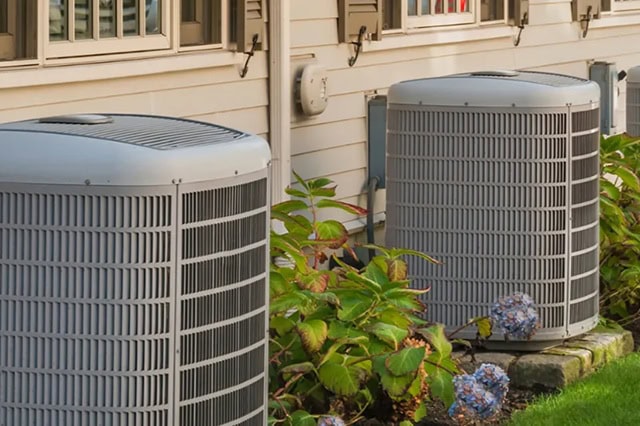
In Phoenix, air conditioning is a health-and-safety system, not a convenience. When outdoor temperatures push past 110°F and your system runs for long stretches of the day, small problems like weak airflow, a failing capacitor, or an overworked compressor can escalate into a no-cooling emergency quickly.
Why Air Conditioners Fail Differently in Phoenix
Phoenix AC systems operate under some of the highest cooling loads in the country because intense sun exposure, desert heat, and long daily runtime raise refrigerant pressures and keep compressors working near capacity for months at a time, especially in June through September.
- Extreme ambient heat increases head pressure and electrical load on the compressor.
- Long runtime cycles accelerate wear on motors, capacitors, and contactors.
- Desert dust coats condenser coils and restricts heat rejection.
- Monsoon humidity spikes change how homes feel and how systems dehumidify.
- Rooftop package units can face additional heat soak from roof temperatures.
- Attic duct losses can be significant if insulation or sealing is weak.
Desert Diamond Air also takes a whole-home approach when needed—issues that look like “AC problems” are sometimes insulation, duct leakage, or airflow problems. If comfort issues persist, consider pairing HVAC service with
an energy audit, attic insulation, or duct sealing.
AC Repair in Phoenix, AZ: What Breaks and Why
AC repair in Phoenix, AZ most often involves high-heat electrical fatigue and heat-transfer problems—components like capacitors, contactors, fan motors, and condenser coils fail faster when systems run long hours in extreme temperatures and dusty conditions.
Common Phoenix AC repair patterns
- Capacitor failure (starter/run capacitors): Heat accelerates capacitor breakdown, which can prevent the compressor or outdoor fan from starting.
- Contactor wear: Frequent cycling and heat pitting can cause intermittent operation or total no-start.
- Compressor overheating: Restricted airflow (dirty coils/filters), improper refrigerant charge, or high head pressure can overheat the compressor.
- Condenser coil fouling: Dust and debris reduce heat rejection, raising pressures and runtime.
- Blower motor and airflow restrictions: Dirty filters, duct issues, or failing motors reduce supply airflow and strain the system.
- Refrigerant leaks: Higher operating pressures in extreme heat can expose weak points in aging coils and fittings.
When to call for air conditioner repair in Phoenix, AZ:
- Warm air from vents or weak cooling
- Outdoor unit buzzing/humming but not starting
- Breaker trips or burning electrical odor
- Ice on the indoor coil (often an airflow or refrigerant issue)
- Sudden, unexplained increases in energy bills
For fast response, schedule Phoenix AC repair. In peak summer heat, delaying diagnosis can increase the chance of compressor damage.
Air Conditioning Service in Phoenix, AZ: What Professional Service Should Include
Air conditioning service in Phoenix, AZ should focus on heat rejection, electrical reliability, and refrigerant performance because Phoenix systems operate at high pressures and long runtime, making small efficiency losses compound into higher bills and higher breakdown risk.
What a thorough AC service visit typically includes
- Refrigerant diagnostics: superheat/subcooling checks, pressure/temperature verification
- Electrical testing: capacitor readings, contactor condition, compressor amperage
- Coil cleaning: outdoor condenser coil rinse/cleaning for desert dust buildup
- Airflow and static pressure: identifies duct restrictions and blower strain
- Drain line inspection: prevents backups and water damage
- Thermostat calibration and system cycling review
- Safety inspection of wiring, connections, and disconnects
If you want ongoing maintenance benefits, explore the Desert Diamond Club for scheduled inspections, reminders, and membership advantages.
Air Conditioning Installation in Phoenix, AZ: Manual J Sizing Matters
Air conditioning installation in Phoenix, AZ should be based on a true load calculation because sun exposure, window performance, insulation levels, duct losses, and home orientation can change cooling demand dramatically, and “tonnage by square footage” often leads to oversizing or undersizing in desert climates.
Why Manual J is non-negotiable in Phoenix
- Oversized systems short-cycle, reduce comfort, and can increase wear on compressors and contactors.
- Undersized systems run nonstop during extreme heat and may never catch up on 110°F+ days.
- Correct sizing improves efficiency, comfort stability, and system lifespan.
Learn more about professional installation options here: Air conditioning replacement and installation.
Reference standards:
ACCA Manual J (Residential Load Calculation) and ENERGY STAR guidance for efficient cooling equipment.
Rooftop vs Ground AC Units in Phoenix: What Works Best?
Phoenix homes often use either rooftop package units or ground-mounted split systems, and the best choice depends on roof exposure, service access, duct design, and how well the system can reject heat during extreme summer temperatures.
- Rooftop units: space-saving, common in older neighborhoods, but can experience roof heat soak and harder service access.
- Ground units: easier maintenance access and often better airflow options, but require suitable side-yard placement and clearance.
If you’re unsure which configuration fits your home, start with a professional evaluation and sizing review before committing to replacement.
Air Conditioning Replacement in Phoenix, AZ: When It’s the Smarter Move
Air conditioning replacement in Phoenix, AZ becomes strategic when the system’s efficiency and reliability drop under extreme summer runtime—especially if compressor wear, refrigerant issues, or repeated high-heat electrical failures turn into recurring emergency calls.
- System age commonly 12–15+ years with frequent repairs
- Repairs approaching 40–50% of replacement cost
- Compressor failure or repeated overheating events
- Outdated efficiency and rising utility bills
- Older refrigerant considerations
If you’re evaluating options, see: air conditioning replacement and installation.
Financing may also be available: view financing options.
Repair vs Replace: Phoenix AC Decision Comparison
In Phoenix, choosing between AC repair and air conditioning replacement often comes down to compressor health, total repair cost versus new-system value, and whether the system can reliably cool your home during sustained 110°F+ demand without constant emergency callbacks.
| Decision Factor | Repair is Often the Better Choice | Replacement is Often the Better Choice |
|---|---|---|
| System Age | Under ~10–12 years | ~12–15+ years |
| Compressor Condition | Stable pressures and normal amperage | Failed compressor or repeated overheating |
| Repair Cost | Typically under ~40% of replacement | Approaching ~40–50%+ of replacement |
| Failure Frequency | Isolated issue (e.g., capacitor/contactor) | Repeated summer failures and downtime |
| Comfort & Performance | Cooling is consistent after repair | Struggles to keep up during peak heat |
| Efficiency | Bills and runtime remain stable | Noticeable efficiency decline year-over-year |
If you’re seeing repeated no-cooling events during peak summer, start with professional diagnostics first:
schedule AC repair.
AC Installation & Repair Costs in Phoenix, AZ
AC pricing in Phoenix is influenced by system tonnage (larger 4–5 ton units are common), duct condition, rooftop access, electrical capacity, efficiency tier (SEER2), and whether the home needs airflow or insulation improvements to reduce cooling load.
The ranges below are approximate; an in-home evaluation is required for exact pricing.
AC Repair Costs (Approximate)
- Minor repairs: $150 – $600 (capacitors, contactors, sensors, minor electrical corrections)
- Moderate repairs: $600 – $2,000 (blower motors, refrigerant leak diagnostics/repairs, fan motors)
- Major repairs: $2,000 – $4,000+ (compressor replacement, major coil issues)
Air Conditioning Installation & Replacement Costs (Approximate)
- 3–5 ton split system installation: $7,000 – $14,000
- High-efficiency variable-speed systems: $12,000 – $18,000+
- 5-ton systems (common in Phoenix): often $10,000 – $16,000 depending on configuration
If you’re planning an upgrade, check local savings opportunities:
rebates and Inflation Reduction Act tax credit guidance.
External rebate resources:
APS rebates and SRP Cool Cash rebates.
What Phoenix Homeowners Can Safely Check and What to Leave to a Professional
Basic troubleshooting can help you identify obvious airflow or thermostat issues, but Phoenix AC equipment operates with high voltage and high refrigerant pressures, and DIY repairs can be unsafe and may cause additional damage under extreme heat conditions.
Safe homeowner checks
- Replace the air filter and confirm vents are open
- Verify thermostat mode is set to COOL and temperature is correct
- Clear debris around the outdoor condenser
- Reset a tripped breaker once (if it trips again, stop and call)
Do not attempt
- Capacitor replacement without proper training and discharge procedures
- Refrigerant charging or leak sealing
- Electrical rewiring or control board repairs
- Compressor testing or replacement
If cooling is compromised during a heat wave, call 602-362-4599 or request service online to schedule service immediately.
Why Phoenix Homeowners Choose Desert Diamond Air
In Phoenix, the difference between a quick fix and a reliable solution is diagnosis quality, correct system sizing, and installation standards that can withstand long summer runtime—Desert Diamond Air supports homeowners with 24/7 emergency service, quality installation practices, and comfort-system options tailored to the Greater Phoenix heat.
- 24/7 emergency service for no-cooling situations in extreme heat
- A+ BBB rating and a service-first approach
- Trane Comfort Specialist and licensed dealer for Trane, Rheem, and Ameristar
- Quality installation focus with sizing and setup that supports real-world capacity
- Financing options for qualified customers: financing
- Local rebate guidance via rebates and efficiency programs
Learn more about the company here:
About Desert Diamond Air.
AC FAQs for Phoenix, AZ Homeowners
What is a Manual J calculation and why do I need it in Phoenix?
Manual J is a residential load calculation that estimates your home’s cooling demand using insulation, windows, orientation, and sun exposure—critical in Phoenix because incorrect tonnage sizing increases breakdown risk and comfort issues. (See: ACCA Manual J.)
Should my AC unit be on the roof or on the ground in Phoenix?
Rooftop package units are common and save space, but they can face higher heat exposure and more challenging service access; ground-mounted systems often allow easier maintenance and may reduce heat soak depending on placement and airflow clearance.
How much does a 5-ton AC unit cost in Arizona?
Many Phoenix homes require 4–5 ton systems; typical installed pricing often falls in the $10,000–$16,000 range depending on efficiency tier, duct condition, electrical needs, and rooftop/ground configuration. See the cost section above for approximate ranges.
Can a swamp cooler work during the Phoenix monsoon?
Evaporative (swamp) coolers work best in very dry air; during monsoon season when humidity rises, cooling effectiveness drops and comfort can suffer compared to refrigerated air conditioning.
When is the “official” time to turn on the AC in Phoenix?
Many Phoenix homeowners begin regular cooling between late March and early May depending on sun exposure and indoor comfort, which makes spring maintenance a smart time to schedule preventative service before peak summer demand.
Are there rebates or tax credits available for AC upgrades in Phoenix?
Depending on your utility and equipment, rebates may be available through programs like APS and SRP, and some high-efficiency upgrades may qualify for federal tax credits. Start here: Desert Diamond Air rebates and Inflation Reduction Act overview. You can also check Arizona’s eligibility portal: resilient.az.gov.
Schedule AC Repair or Air Conditioning Installation in Phoenix, AZ
If your AC is underperforming, struggling to keep up, or you’re planning a new air conditioning installation or replacement, schedule service with a Phoenix team that understands extreme heat runtime demands, correct sizing, and quality installation standards.
Call Desert Diamond Air: 602-362-4599
Request service: Contact Desert Diamond Air or Schedule now
Explore services: Air conditioning services